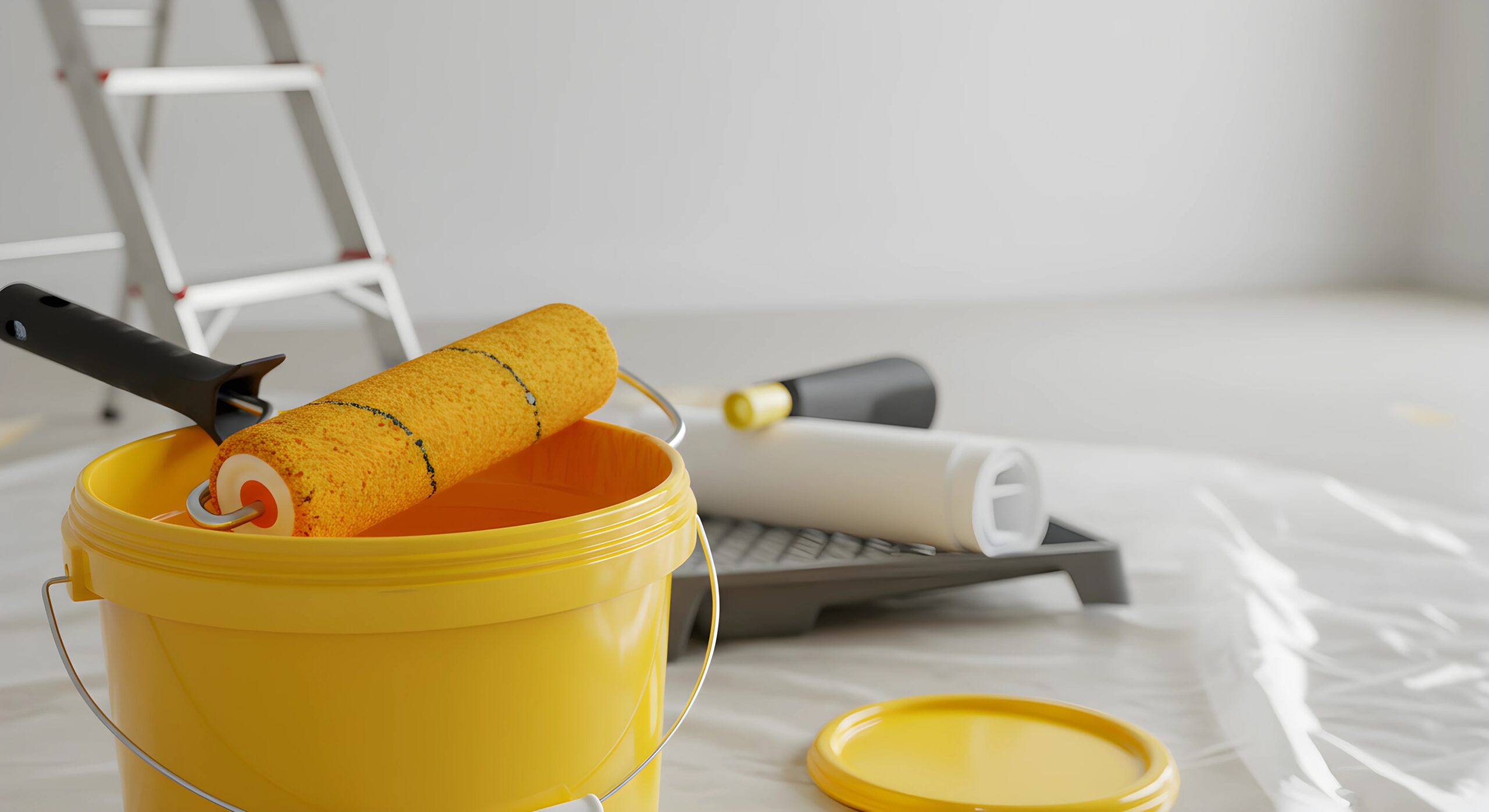
Painting your home is one of the most rewarding ways to refresh your living space, but safety should always be your top priority—especially if you’re new to renovation. At Accent Painting, we know that a successful project starts with protecting both your health and your home. Whether you’re tackling a single accent wall or preparing multiple rooms, following best safety practices ensures your project goes smoothly and keeps accidents at bay. Here’s your guide to painting safely in Utah, with everything you need to know before you pick up a brush.
Why Safety Matters in Home Painting Projects
Every year, thousands of homeowners experience preventable accidents during DIY renovations. Home improvement injuries cost Americans billions of dollars every year. Painting may seem low-risk, but exposure to fumes, improper equipment handling, and incorrect disposal of materials can cause serious health concerns and environmental hazards. Prioritizing safety is not just about following rules—it’s about ensuring your home remains a healthy and happy space.
Ensuring Proper Ventilation for a Healthier Home
Utah’s climate can present unique challenges when ventilating indoor spaces, especially in winter months. Adequate ventilation is vital to reduce the concentration of volatile organic compounds (VOCs) released from paints and solvents. VOCs can cause headaches, dizziness, and even long-term respiratory issues if inhaled in large quantities. The Environmental Protection Agency recommends always painting in well-ventilated areas.
To ventilate effectively, open windows and doors whenever possible, and use fans to create cross-ventilation. For rooms without windows, consider using air scrubbers or purifiers specifically designed to filter paint fumes. In cooler weather, open windows for short intervals to let fresh air circulate—this can make a significant difference in indoor air quality.
Essential Protective Gear: Don’t Paint Without It
One of the most overlooked aspects of home painting is the importance of personal protective equipment (PPE). Quality gear not only shields you from harmful chemicals but also prevents skin irritation and eye injuries. Here are the essentials:
- Respirators or Masks: Not all masks are made equal. For oil-based paints and strong solvents, use a respirator rated for organic vapors. For water-based paints, a basic N95 mask may suffice.
- Gloves: Nitrile or latex gloves protect your skin from direct contact with paint and cleaning agents, reducing the risk of dermatitis.
- Safety Glasses: Even the most careful painters can experience splatters. Safety glasses or goggles guard against accidental splashes.
- Coveralls or Old Clothing: Wear clothing that covers your skin and can be discarded or thoroughly washed after painting.
Safe Handling of Tools and Ladders
Many painting accidents occur not from the paint itself, but from improper use of tools and ladders. When working at heights or using extension poles, always inspect your equipment for damage before starting. Set up ladders on a flat, stable surface and never overreach—move the ladder instead. Falls from ladders are one of the most common causes of home renovation injuries.
When using brushes, rollers, or sprayers, follow the manufacturer’s instructions closely. Keep tools organized to avoid trip hazards and always unplug electrical equipment when not in use. Remember, safe handling isn’t just about convenience—it’s about preventing serious injuries.
Responsible Disposal of Paint and Materials
Paint products can be hazardous to both people and the environment if not disposed of properly. In Utah, many communities offer special collection events or facilities for household hazardous waste, including paint and solvents. Never pour leftover paint down the drain or throw it in regular trash bins. Improper disposal can pollute local waterways and soil.
To responsibly manage leftover paint:
- Store unused paint tightly sealed for future touch-ups.
- Donate unopened cans to local charities or community centers.
- Take expired or excess paint to a certified disposal facility—visit your county’s website for locations and guidelines.
By following these simple steps, you help keep Utah’s environment clean and your community safe.
When to Seek Professional Advice
Even with the best intentions and precautions, some painting projects are best left to the experts. If you encounter lead-based paint in older homes, or if your space has high ceilings and intricate trim, professional painters have the training and equipment to handle these challenges safely. Don’t hesitate to reach out for a free consultation with our Accent Painting team if you’re unsure about any aspect of your project. Your safety and satisfaction are always our top priorities.
Building a Safer Home Starts Here
Painting your Utah home should be a positive, transformative experience. By prioritizing safety at every stage—from ventilation and protective gear to tool handling and responsible disposal—you safeguard your well-being and the value of your property. Remember, preparation, awareness, and the willingness to seek help when needed are the hallmarks of a successful renovation.
For more painting resources, expert tips, and personalized advice, visit Accent Painting’s blog or contact our team directly. Your safety is our mission—let’s make your next painting project your best and safest yet!