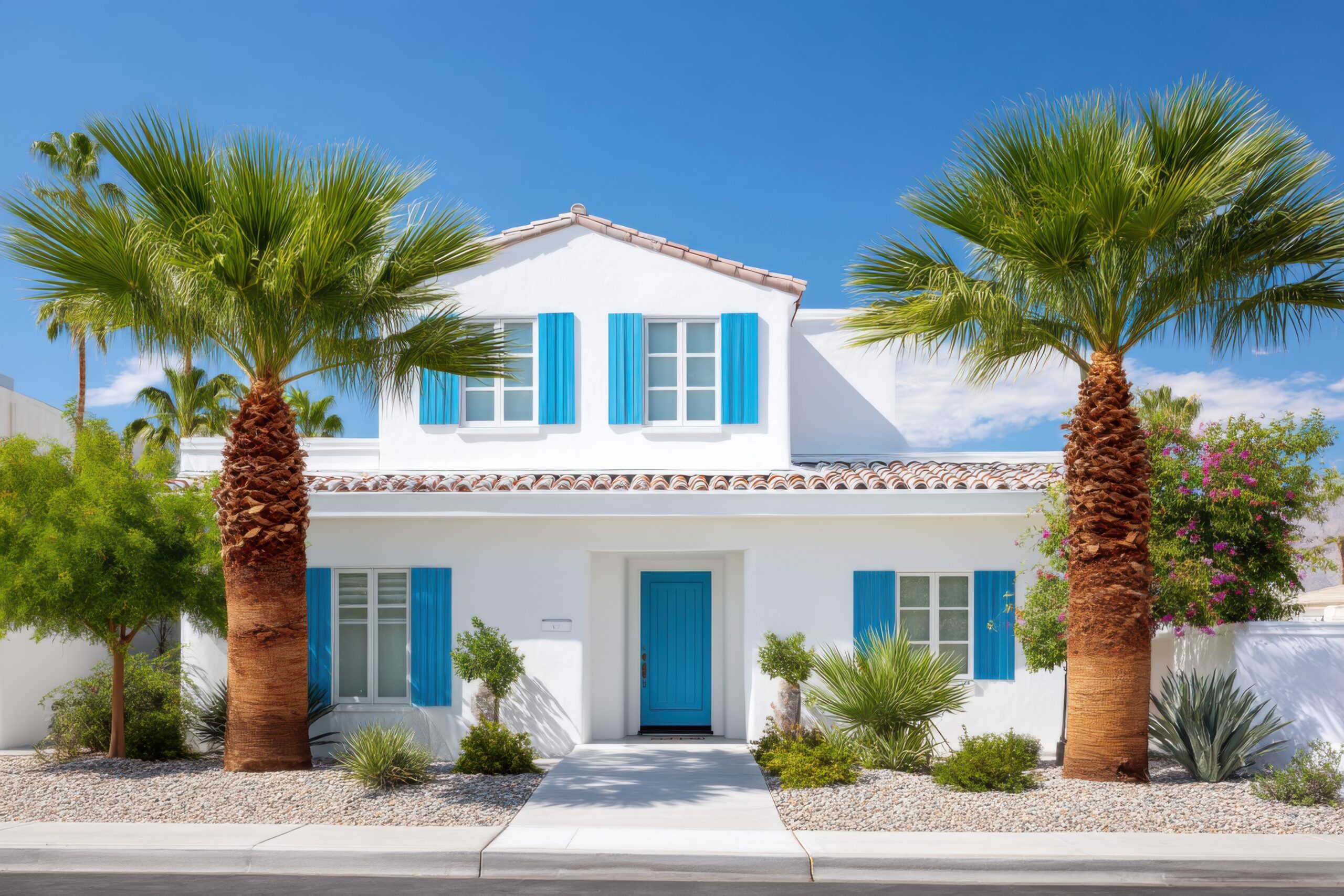
The arid beauty of St. George and Las Vegas is unmistakable, with endless blue skies and dramatic desert landscapes. However, the same environmental factors that make these regions unique also pose significant challenges for maintaining the vibrancy and integrity of painted surfaces. Whether you’re a homeowner or a property manager, understanding how to protect your paintwork from the harsh desert climate is essential for preserving both curb appeal and property value. At Accent Painting, we know what it takes to ensure your investment stands the test of time in these demanding conditions.
The Unique Challenges of Desert Environments
Desert climates are defined by intense sunlight, low humidity, high temperatures, and frequent dust storms. In places like St. George and Las Vegas, UV exposure is among the highest in the country, causing paint to fade, chalk, and peel much faster than in milder environments. Ultraviolet radiation can break down paint resins, leading to structural weaknesses and color degradation over time.
In addition to UV, temperature swings between sizzling daytime highs and cooler nights can cause painted surfaces to expand and contract. This constant movement stresses the paint film, increasing the risk of cracking and blistering. Dust, another hallmark of desert living, can accumulate on surfaces, acting as a mild abrasive that wears away at protective coatings and reduces reflectivity.
UV Protection: The First Line of Defense
The sun’s rays in the Southwest are relentless. High-quality exterior paints formulated with advanced UV inhibitors are essential for long-lasting protection. These paints are specifically designed to resist fading and chalking under prolonged sunlight. When choosing paint for your desert property, look for products rated for UV stability and exterior durability.
Accent Painting uses only premium-grade paints from trusted manufacturers, ensuring your surfaces receive the maximum possible protection. For especially sun-exposed areas—such as south and west-facing walls—an extra-clear UV-blocking topcoat can further extend the life of your paint, helping colors stay vivid and surfaces remain shielded from the elements.
Dust Management: Keeping Surfaces Clean and Protected
Dust is more than a cosmetic nuisance. Over time, it can become embedded in paint, dulling finishes and making surfaces harder to clean. In extreme cases, dust particles can even promote micro-abrasions that leave the paint susceptible to moisture intrusion during rare desert rains.
Regular cleaning is a key component of paint maintenance in desert regions. We recommend gently rinsing exterior painted surfaces with a low-pressure hose every few months to remove dust and debris. In areas with heavy dust storms or construction activity, more frequent cleaning may be necessary. Avoid harsh scrubbing, which can damage the paint film; instead, use soft brushes or cloths if more intensive cleaning is needed.
Temperature Fluctuations: Choosing Flexible and Resilient Coatings
The temperature in St. George and Las Vegas can shift greatly between day and night, especially during the spring and fall. These rapid changes cause building materials to expand and contract, creating stress points where paint can crack or peel.
Elastomeric coatings are an excellent choice for these conditions because they offer superior flexibility and adhesion. These coatings can stretch and move with your home’s exterior, preventing cracks from forming and sealing minor existing imperfections. Accent Painting is experienced in applying elastomeric and other flexible coatings that are ideal for stucco, masonry, and even wood surfaces exposed to the desert’s extremes.
Maintenance Schedules for Desert Climates
Establishing a maintenance schedule is critical for ensuring the longevity of your exterior paint. For most homes and businesses in St. George and Las Vegas, we recommend a thorough inspection of painted surfaces at least once a year. Look for signs of fading, chalking, cracking, or peeling, and address any issues promptly before they worsen.
Here’s a typical maintenance timeline for desert properties:
- Every 3-6 months: Rinse exterior surfaces to remove dust and debris.
- Annually: Inspect for paint degradation, especially on sun-exposed sides. Touch up or re-coat as necessary.
- Every 5-7 years: Repaint with high-quality, UV-resistant coatings. In areas with extreme exposure or older properties, more frequent repainting may be required.
Keeping a regular maintenance routine not only preserves your property’s appearance but can also prevent costly repairs down the line. For more details on our maintenance services, visit our Residential Painting and Commercial Painting pages.
Protective Coatings: Beyond Standard Paint
In addition to traditional paints, there are several advanced protective coatings that can enhance durability in desert climates:
- Acrylic Latex Paints: These provide excellent adhesion and flexibility, making them well-suited for temperature fluctuations.
- Elastomeric Coatings: As noted, these are ideal for surfaces prone to movement and can bridge small cracks.
- Silicone-Based Sealants: Used around windows, doors, and trim, these help prevent moisture and dust infiltration.
- Clear UV-Resistant Sealers: These can be applied over existing paint to boost UV protection without altering the color.
The Value of Professional Maintenance
While it may be tempting to overlook routine paint maintenance, especially when surfaces appear to be holding up, the harsh desert environment will eventually take its toll. Partnering with a professional painting company ensures that your property receives expert care and the highest-quality materials. Our experienced team provides thorough inspections, precise touch-ups, and full repainting services tailored to the demands of the desert climate.