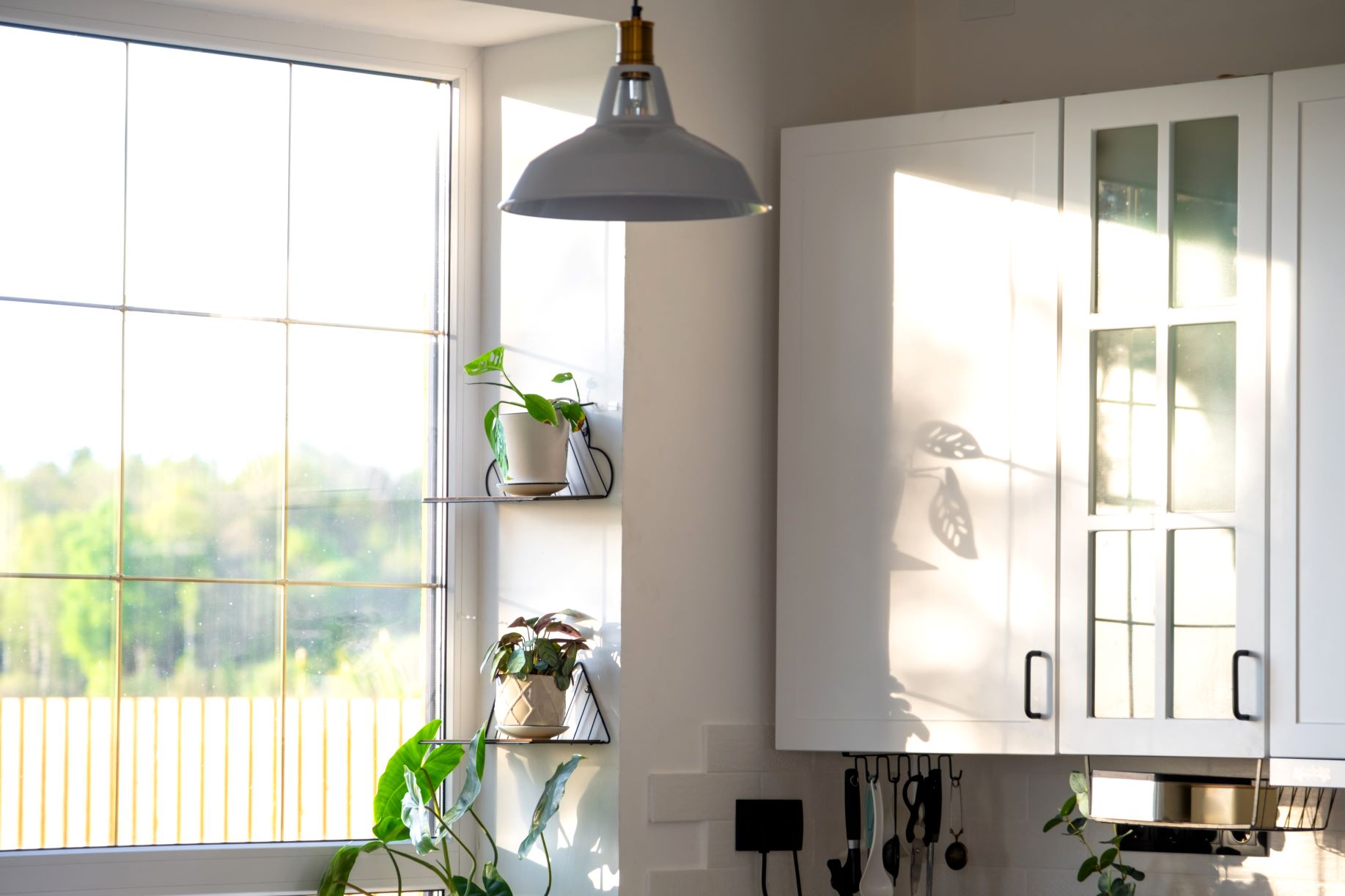
Have you ever picked a paint color you loved in the store, only to feel disappointed once it was on your wall? You’re not alone. One of the biggest factors homeowners overlook is lighting. The way light interacts with paint can dramatically change how a color appears in your home. Understanding paint color lighting effects can help you choose shades that look great all day—and night.
Why Lighting Matters for Paint Colors
Paint doesn’t exist in a vacuum. Every color reflects light differently, and the type, direction, and intensity of light in a room can completely alter its appearance. A warm beige can look cozy in one room and dull or yellow in another. This is why professional painters always consider lighting before recommending a color.
If you’re planning an interior painting project, working with experienced professionals like Accent Painting can save you time, money, and frustration by ensuring your color choices work perfectly with your lighting.
Natural Light and Paint Colors
Natural light paint colors behave differently depending on which direction your windows face:
- North-facing rooms receive cooler, softer light. Paint colors often appear darker and more muted here, so lighter or warmer shades usually work best.
- South-facing rooms get bright, warm light throughout the day. This lighting enhances most colors, but very warm tones can sometimes look overly yellow.
- East-facing rooms have warm light in the morning and cooler light in the afternoon. Paint colors can shift noticeably throughout the day.
- West-facing rooms receive cooler light in the morning and intense, warm light in the evening, which can deepen reds, oranges, and yellows.
Testing paint samples at different times of day is essential to see how natural light paint colors truly perform in your space.
Artificial Lighting and Its Impact
Artificial lighting also plays a huge role in paint color lighting effects:
- Incandescent and warm LED lighting brings out warm tones like reds, yellows, and creams.
- Cool LED and fluorescent lighting emphasizes blues, greens, and grays, sometimes making warm colors feel flat.
- Mixed lighting can create subtle shifts across walls, especially in open floor plans.
Choosing the right bulbs can be just as important as choosing the right paint.
Tips for Choosing the Right Paint Color
- Always test paint samples directly on your walls
- Observe colors in both daylight and evening lighting
- Consider how nearby rooms and flooring reflect light
- Ask a professional for guidance on color selection
The team at Accent Painting has years of experience helping homeowners select paint colors that look amazing in every lighting condition.
Get Professional Help for Perfect Results
Lighting can make or break your paint color choice, but you don’t have to figure it out alone. Understanding paint color lighting effects and how natural light paint colors change throughout the day is key to a successful paint project.
If you’re ready to refresh your home with confidence, contact the experts at Accent Painting for professional advice, color consultations, and flawless painting results.