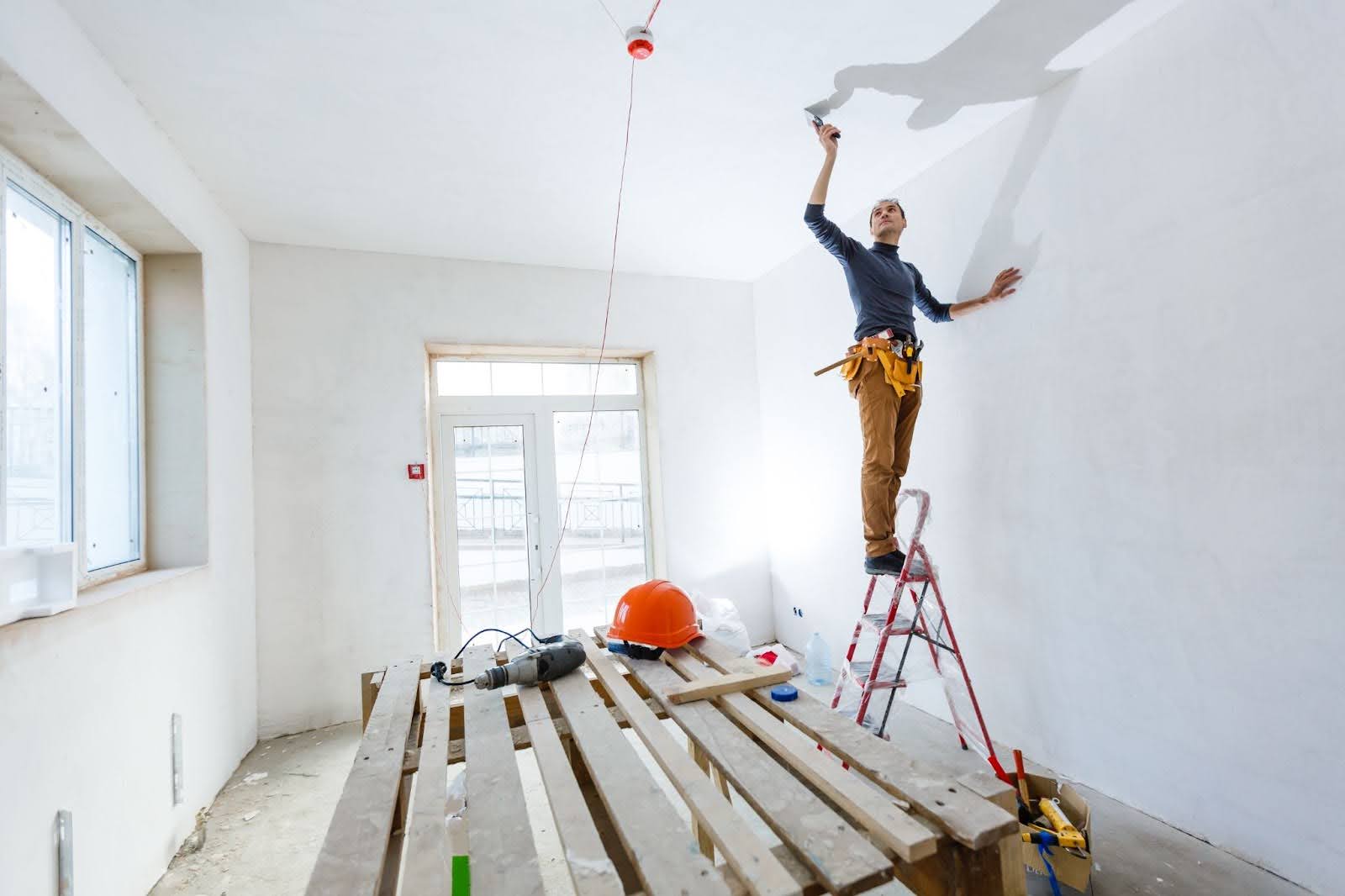
Painting high ceilings and stairwells is a task that requires careful planning and execution. These areas often pose unique challenges due to their height and difficult angles, making it crucial to approach the project with the right strategies and equipment. Whether you’re an experienced DIY enthusiast or a novice, understanding the specific demands of painting these spaces can make the difference between a professional-looking result and a disappointing finish.
Challenges of Painting High Ceilings and Stairwells
Painting high ceilings and stairwells involves more than just applying a fresh coat of paint. The height and awkward angles can make it difficult to reach all areas, requiring specialized equipment and techniques. Common pitfalls include inadequate surface preparation, using the wrong type of paint, and not accounting for safety measures. These mistakes can lead to unsatisfactory results and even accidents. Thus, recognizing these challenges is essential to ensure a successful painting project.
Planning and Preparation
Thorough planning is the foundation of any successful painting project. Start by assessing the area to determine the scope of work and identify any potential obstacles. Choose the right materials and tools, ensuring you have everything needed to reach high and hard-to-access areas safely. Neglecting these steps can result in uneven paint coverage and increased safety risks. Proper cleaning and preparation of surfaces are equally important to ensure paint adheres well and lasts longer.
Essential Equipment for Safe and Effective Painting
Having the right equipment is crucial for painting high ceilings and stairwells. Ladders, scaffolding, extension poles, and paint rollers are indispensable tools for this type of work. It’s important to select ladders or scaffolding that are suitable for the specific height and configuration of the area. Different types of ladders, such as step ladders and extension ladders, serve various purposes, while scaffolding provides a stable platform for working at greater heights.
Safety gear is equally important. Helmets, harnesses, and non-slip footwear are essential for protecting against falls and other accidents. Using the right safety equipment can significantly reduce the risk of injury, making it a critical aspect of the painting process.
Safety Tips for Working at Heights
Safety should always be the top priority when working at heights. Ensure stable footing and secure positioning at all times, and consider having a spotter or assistant to help stabilize the ladder and pass tools as needed. Being aware of your surroundings is vital to prevent accidents, such as tripping over paint cans or other equipment. Statistics indicate that falls are a leading cause of injury in the construction industry, highlighting the importance of adhering to safety protocols.
Techniques for Achieving a Professional Finish
To achieve a professional finish, it’s important to use the right painting techniques. “Cutting in” is a method where edges and corners are painted before using a roller on larger surfaces, helping to create clean lines and a uniform appearance. Backrolling, which involves rolling over freshly painted areas to smooth out brush marks, is also essential for a polished look. Using primer is critical for paint adhesion and durability, especially on high ceilings, as it prepares the surface for better paint adherence.
Tackling Hard-to-Reach Areas
Painting hard-to-reach areas can be challenging, but using the right tools can make the task easier. Angled brushes and rollers are designed to access tight corners and difficult spots, ensuring even coverage. Taking the time to carefully paint these areas will contribute to a more professional finish.
When to Call in Professional Painters
There are times when hiring professional painters is the best option. Extremely high ceilings or complex stairwell designs can be difficult to manage without the right experience and equipment. Professional painters offer expertise, efficiency, and quality assurance, and they are familiar with local painting regulations and guidelines. Hiring professionals can also lead to cost savings by reducing the risk of accidents or mistakes that could result in additional expenses.
Cost Considerations for DIY vs. Professional Painting
When weighing the costs of a DIY painting project, it’s important to consider expenses such as equipment rental or purchase, paint, and safety gear. These costs can add up, especially if specialized tools are needed. On the other hand, hiring a professional service may seem more expensive initially, but it offers time savings and the potential for a superior finish. DIY attempts can also incur hidden costs, such as damage to property or personal injury, which can be avoided by hiring professionals.
Local Expertise and Resources
For those considering a DIY approach, numerous local resources are available in areas like Utah and Nevada. Equipment rental shops and paint suppliers can provide the necessary tools and materials. Hiring local professionals offers advantages, as they understand regional building styles and environmental factors unique to locations like Ogden and St. George. Community workshops or classes on painting techniques may also be available, providing valuable knowledge and skills for tackling painting projects.
Environmental and Health Considerations
Choosing eco-friendly paints is particularly important in areas with limited ventilation, such as stairwells. Paint fumes can pose health risks, so ensuring proper ventilation during and after painting is crucial. Low-VOC paints are a safer choice, as they reduce the impact on indoor air quality. Minimizing environmental impact involves proper disposal of paint materials. Following local guidelines for hazardous waste disposal helps protect the environment and ensures compliance with regulations.
Painting Techniques for High Ceilings
Painting high ceilings requires specific techniques to ensure an even and professional finish. One effective method is to use a paint roller with an extension pole, allowing you to reach higher areas without the need for ladders. It’s important to apply paint in even strokes, starting from one end of the ceiling and working your way across. This approach helps prevent streaks and ensures consistent coverage.
Choosing the Right Paint for Stairwells
Selecting the right paint for stairwells is crucial to achieving a durable and visually appealing finish. Consider using a paint that is specifically designed for high-traffic areas, as stairwells often experience more wear and tear. Choosing paint with a washable finish can make it easier to clean any scuffs or marks that may occur over time.
Dealing with Textured Ceilings
Textured ceilings can present additional challenges when painting. It’s important to use a roller with a thicker nap to ensure the paint covers all the crevices and irregularities. Applying a primer before painting can also help the paint adhere better to the textured surface, resulting in a more even finish.
Painting high ceilings and stairwells can be a rewarding project when approached with the right knowledge and tools. Whether you choose to tackle the task yourself or hire professionals, understanding the unique challenges and considerations involved is essential for achieving a successful outcome. With careful planning, the right equipment, and attention to detail, you can transform these challenging spaces into beautifully painted areas that enhance the overall look of your home.
For professional painting services, contact Accent Painting today. Our experienced team is equipped to handle projects of any size and complexity, ensuring a high-quality finish every time.